

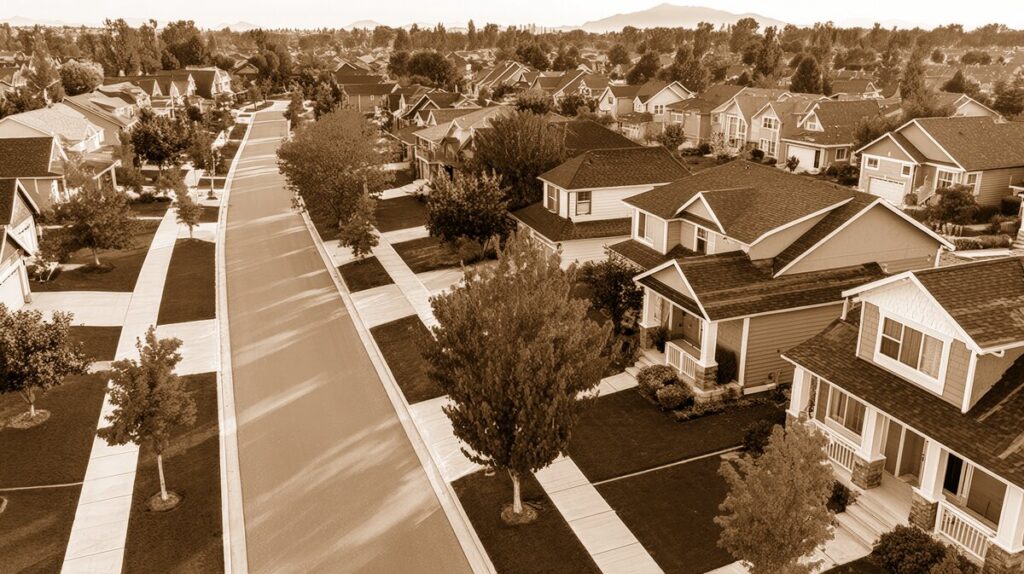
Nestled in the heart of Reidsville, the Park Place neighborhood is a beloved enclave whose story echoes the changing tides of this North Carolina city. From its tree-lined streets to its cherished community gathering spots, Park Place isn’t just a place—it’s a living showcase of Reidsville’s spirit and heritage. As a longtime resident, I invite you to walk with me through Park Place’s storied past and discover what makes this neighborhood such a special part of our city’s tapestry.
Origins: From Farmland to Flourishing Neighborhood
Before Park Place became one of Reidsville’s most recognizable neighborhoods, the area was primarily farmland, owned and tended by local families who played integral roles in the city’s early development. During the early 20th century, Reidsville was growing rapidly thanks to the tobacco industry and the arrival of the railroad. Demand for housing soared, prompting city planners and developers to envision new residential areas close to downtown yet peaceful enough for families.
Park Place was platted in the 1920s, a time of optimism and urban expansion. Its boundaries radiate outward from the leafy expanse of Pennrose Park—hence the neighborhood’s name—where residents and visitors alike have long enjoyed green space and recreational facilities.
How Park Place Got Its Name
Park Place is named for its proximity to Pennrose Park, one of Reidsville’s most beloved and historic parks. Pennrose Park, founded in the 1920s, quickly became a centerpiece of community life and lent its name to the emerging neighborhood that grew alongside it. “Place” signified not just a residential area, but a true sense of belonging and community around the park’s rolling lawns and majestic trees.
The neighborhood’s main thoroughfares—such as Parkview Drive, Maple Avenue, and Ivy Avenue—were laid out to allow maximum access to the park, reinforcing its role at the heart of daily life in Park Place.
Key Historical Milestones
Park Place’s evolution mirrors the broader changes experienced by Reidsville itself:
- *1920s: Platting and development of residential lots begin, with craftsman bungalows and Colonial Revival homes establishing the architectural tone for the neighborhood.*
- *1930s: Pennrose Park’s 9-hole golf course becomes a popular social and sporting hub, drawing visitors from across Rockingham County.*
- *1940s–50s: Postwar prosperity spurs the construction of additional homes, with Park Place solidifying its reputation as a family-friendly neighborhood.*
- *1960s: Integration of public spaces, including the park and local schools, reflects nationwide social progress and strengthens community bonds.*
- *1980s–90s: Revitalization efforts focus on preserving historic homes and enhancing public spaces, as new generations move in and invest in the neighborhood.*
- *2000s–present: Park Place combines longstanding traditions with modern revitalization, hosting community events and continuing to attract families, retirees, and professionals alike.*
Notable Landmarks and Buildings
Park Place’s unique identity is anchored by several standout sites:
Pennrose Park Country Club
No discussion of Park Place is complete without mention of the Pennrose Park Country Club on Country Club Drive. Opened in 1929, the club is one of Reidsville’s most enduring institutions. Its classic Tudor-style clubhouse and Donald Ross-designed golf course have hosted countless celebrations, tournaments, and community gatherings.
Historic Homes on Parkview Drive
A stroll down Parkview Drive offers a living archive of early- to mid-20th-century architecture. You’ll find lovingly restored craftsman bungalows, stately brick colonials, and charming cottages, many of which have been home to generations of Reidsville families.
Grove Street School
Located at the neighborhood’s eastern edge, the now-repurposed Grove Street School once served the area’s children and is remembered fondly by alumni who still call Park Place home.
Pennrose Park
Of course, Pennrose Park itself remains central to neighborhood identity. With its open fields, walking paths, and playgrounds, it’s both a refuge and a community anchor. Over the years, the park has hosted everything from summer concerts and charity runs to impromptu games of catch and family picnics.
The Evolution of Community Life
What sets Park Place apart is its enduring sense of community. Neighbors greet each other by name, and annual events like the Park Place Easter Egg Hunt and Fall Block Party draw residents together from across generations. Front porches are social spaces, and local institutions—like churches on Richardson Drive and clubs at Pennrose Park—provide both continuity and connection.
The neighborhood’s evolution is shaped by its people. Historic preservation efforts keep the architectural legacy alive, while modern amenities and infrastructure improvements ensure Park Place remains as welcoming today as it was a century ago. Residents young and old find reasons to put down roots here, continually breathing new life into an already vibrant community.
Streets, Parks, and Institutions that Define Park Place
A few highlights to explore on your next visit or stroll through Park Place:
- *Parkview Drive*: The main residential artery, lined with mature trees and period homes.
- *Maple Avenue*: Home to some of the neighborhood’s loveliest late-1940s brick cottages.
- *Country Club Drive*: Gateway to the Pennrose Park Country Club and its scenic grounds.
- *Grove Street*: The site of the former school and a collection of mid-century homes.
- *Pennrose Park*: Spanning more than a dozen acres, the green heart of the community.
Park Place Today: Tradition Meets Tomorrow
Today, Park Place blends yesteryear’s charm with the conveniences of modern living. While new families bring fresh energy, many current residents are descendants of those who first moved here. Whether you’re drawn by the architecture, the camaraderie, or the simple pleasure of a sunny afternoon in the park, Park Place offers a warm welcome.
As Reidsville continues to grow and change, Park Place stands as both a testament to the city’s rich heritage and a living community always looking forward. To live here—or even just to visit—is to experience the best of small-town North Carolina, where history, neighborliness, and natural beauty come together in perfect harmony.